What is a Chest CT Scan?
A chest CT scan is a special type of X-ray. It takes detailed pictures of your chest, including your lungs, heart, and blood vessels. Doctors use this scan to see inside your chest more clearly than with a regular X-ray. Because it gives a better view, a chest CT scan can help find problems early. Many people search for a “chest CT scan near me” when their doctor suggests this test.
Common Reasons Doctors Recommend a Chest CT Scan
Doctors may suggest a chest CT scan for several reasons. Often, they want to learn more about symptoms or check for certain conditions. Some common reasons include:
Sometimes, a chest CT scan helps doctors plan treatments or surgeries. In addition, it can show if a treatment is working.
How the Procedure Works
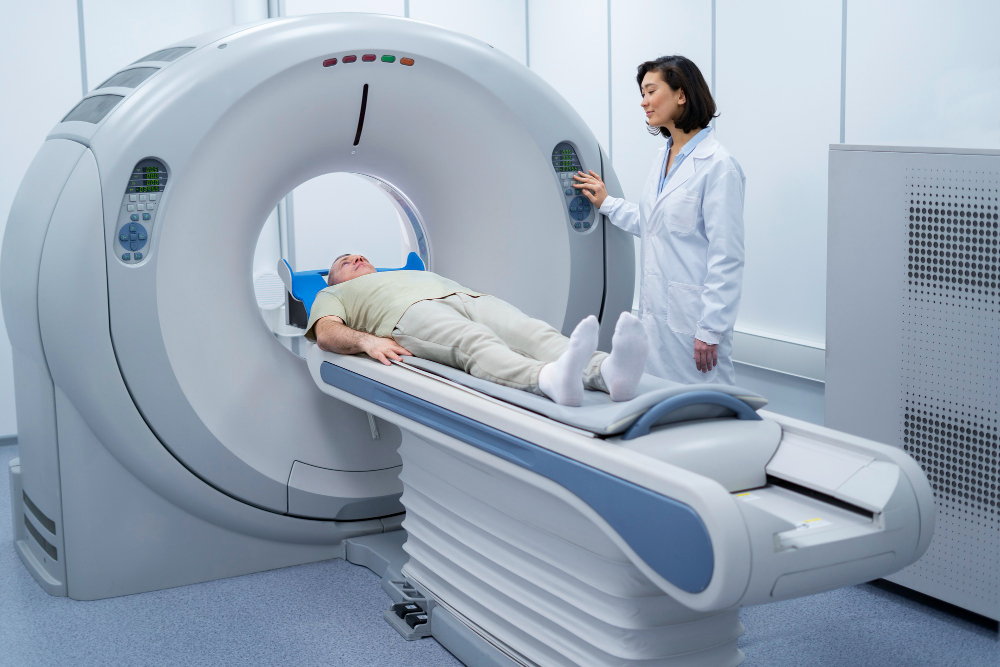
During a chest CT scan, you lie on a table. The table moves slowly through a large, donut-shaped machine. This machine takes many pictures from different angles. Afterward, a computer puts these images together to make a clear view of your chest. The scan itself is quick and painless. Usually, it takes less than 15 minutes.
What to Expect Before, During, and After the Scan
Before the Scan
First, your doctor will explain why you need the scan. Sometimes, you may need to change into a gown. You might also be asked to remove jewelry or metal objects. If your scan needs a special dye (contrast), you may get it through a vein in your arm. This dye helps certain areas show up better.
During the Scan
Next, you will lie still on the table. The technician may ask you to hold your breath for a few seconds. This helps get clear pictures. You will hear the machine make soft whirring sounds, but you will not feel anything.
After the Scan
After the scan, you can usually go home right away. If you received contrast dye, drink plenty of water to help flush it out. Your doctor will review the results and talk with you about what they mean.
Benefits and Risks of a Chest CT Scan
Benefits
Risks
However, for most people, the benefits outweigh the risks. The CDC and WHO agree that CT scans are safe when used properly.
How to Prepare for a Chest CT Scan
Preparing for a chest CT scan is simple. Here are some tips:
Always ask your healthcare team if you have questions about the chest CT scan procedure.
Frequently Asked Questions
In summary, a chest CT scan is a safe and helpful tool for finding and treating chest problems. If you have more questions, always ask your doctor.
Consult your healthcare provider at ORBIT DIAGNOSTIC CENTRE for personalized advice about chest CT scans.