Introduction
The Widal test is a simple blood test used to help diagnose typhoid fever. Typhoid fever is a serious infection caused by bacteria called Salmonella typhi. Because early treatment is important, doctors often use the Widal test to check for this illness. In this blog, you will learn about the Widal test, its purpose, how it is done, and how to understand the results.
What is the Widal Test?
The Widal test checks for certain antibodies in your blood. These antibodies form when your body tries to fight off the bacteria that cause typhoid fever. Since the test looks for a reaction between your blood and special chemicals, it can help doctors know if you might have typhoid.
Why is the Widal Test Done?
Doctors use the Widal test to help diagnose typhoid fever. This illness can cause high fever, stomach pain, and weakness. Because these symptoms are common in other diseases, the Widal test helps doctors decide if typhoid is the cause. Sometimes, the test is also used to check for paratyphoid fever, which is a similar infection.
How is the Widal Test Performed?
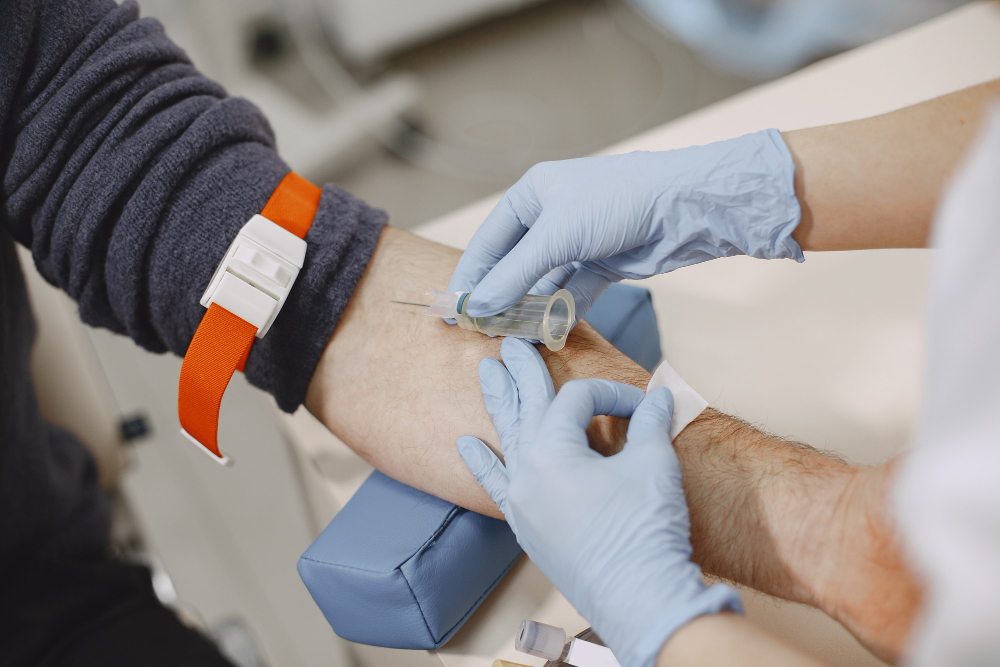
The Widal test procedure is simple and quick. Here is what usually happens:
The whole process takes only a few minutes. Afterward, you can go home and wait for your results.
How to Prepare for the Widal Test
Usually, you do not need to do much to prepare for the Widal test. However, it is a good idea to:
Because the test is simple, most people do not need to make any special changes before their appointment.
Understanding Widal Test Results
After the test, your doctor will explain the Widal test interpretation. The results show if your blood has antibodies against typhoid bacteria. Here is what you might see:
Sometimes, a single test is not enough. Your doctor may ask for another test after a few days to see if antibody levels change. This helps confirm the diagnosis.
Limitations and Accuracy of the Widal Test
While the Widal test can help, it is not always perfect. For example, some people may have a positive result even if they do not have typhoid. This can happen if they had the infection before or got a vaccine. On the other hand, early in the illness, the test may not detect antibodies yet. Because of these reasons, doctors often use other tests along with the Widal test to be sure. According to the World Health Organization (WHO), the Widal test should not be the only way to diagnose typhoid fever.
Safety and Risks
The Widal test is very safe. Like any blood test, there are a few minor risks. For instance, you may feel a small pinch when the needle goes in. Some people get a tiny bruise or feel dizzy for a moment. However, serious problems are rare. If you feel unwell after the test, let your healthcare provider know right away.
Frequently Asked Questions about the Widal Test
Prevention and When to Consult a Doctor
Typhoid fever spreads through unsafe food and water. To prevent it, always wash your hands, drink clean water, and eat well-cooked food. If you have a high fever, stomach pain, or feel weak for several days, see a doctor. Early testing and treatment can help you recover faster. If your doctor suggests a Widal test, do not worry. It is a simple and safe way to help find the cause of your illness.
Consult a healthcare professional at Orbit Diagnostic Centre for personalized advice about the Widal test.