Pap Smear & HPV DNA Test are important tools for women’s health checkup. These tests help find early signs of cervical cancer. A Pap Smear checks for changes in the cells of the cervix. The HPV DNA Test looks for the virus that can cause these changes. Both tests are simple, safe, and can save lives. In this guide, you will learn what these tests are, why they matter, and how to prepare for them.
What is a Pap Smear?
A Pap Smear is a screening test for cervical cancer. During this test, a doctor gently collects cells from the cervix. The cervix is the lower part of the uterus. These cells are checked under a microscope for any changes. If there are abnormal cells, it may mean there is a risk of cancer. However, finding these changes early can help prevent cancer from developing. According to the CDC, regular Pap Smears have greatly reduced cervical cancer rates.
What is an HPV DNA Test?
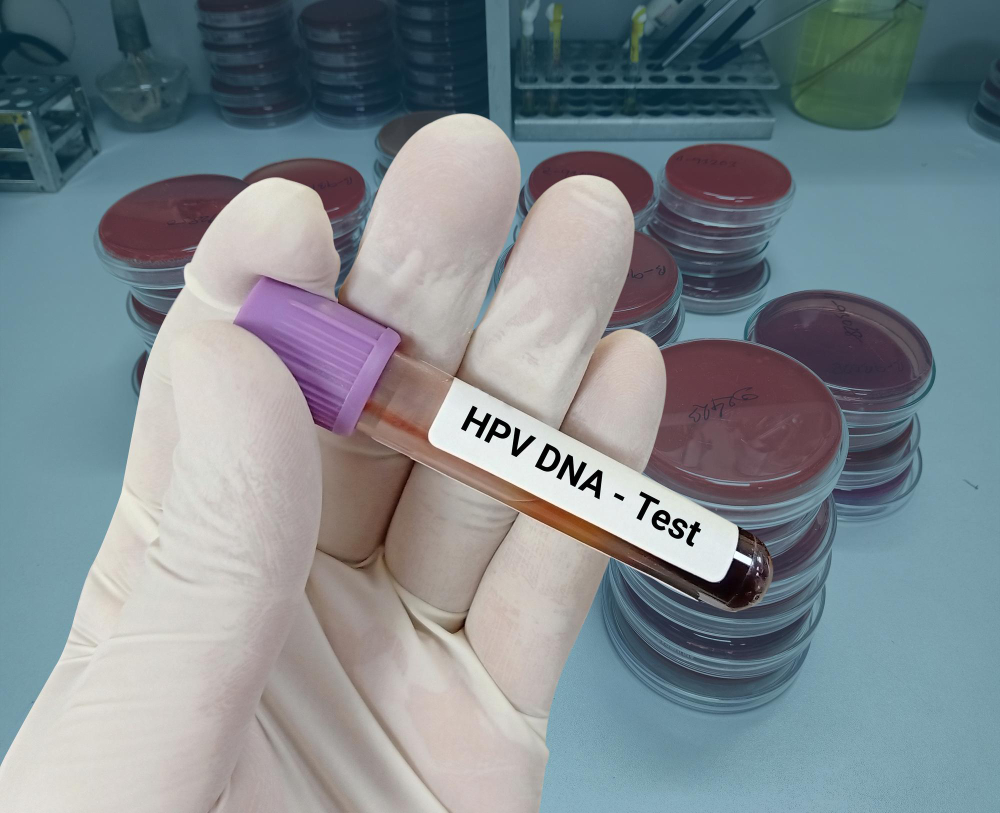
An HPV DNA Test checks for the human papillomavirus (HPV). HPV is a common virus that can cause cervical cancer. Not all types of HPV are harmful, but some can lead to cancer. The HPV DNA Test finds the high-risk types of HPV. This test can be done at the same time as a Pap Smear or separately. The World Health Organization (WHO) recommends HPV testing as part of cervical cancer screening.
Why Are These Tests Important?
Both Pap Smear and HPV DNA Test are vital for early detection. Early detection means problems can be treated before they become serious. In fact, most cervical cancers can be prevented with regular screening. These tests help find changes before symptoms appear. Because of this, women can stay healthy and avoid advanced disease. Cervical cancer screening saves thousands of lives each year.
Who Should Get Tested?
Most women should start Pap Smear testing at age 21. After that, the test is usually done every three years. For women aged 30 to 65, both Pap Smear and HPV DNA Test may be done together every five years. However, some women may need testing more often. For example, those with a history of abnormal results or a weak immune system. Always talk to your doctor about the best schedule for you.
How Are the Tests Performed?
Both tests are quick and simple. Here is what usually happens:
The whole process takes only a few minutes. Most women feel little or no pain. If you have concerns, let your doctor know before the test.
What Do the Results Mean?
After the test, you will get your results in a few days. Here is what they can mean:
It is important to remember that abnormal results do not always mean cancer. Many changes go away on their own. Your doctor will guide you on next steps.
How to Prepare for the Tests
Getting ready for a Pap Smear or HPV DNA Test is easy. Here are some tips:
Following these steps can help get the best results. If you have questions, ask your healthcare provider before the test.
Common Myths and Facts
Prevention and Lifestyle Tips
Besides regular screening, you can lower your risk of cervical cancer by:
Healthy habits and regular tests work together to keep you safe.
Consult a healthcare provider at Orbit Diagnostic Centre for personalized advice on Pap Smear and HPV DNA testing.