What Is a Cancer Marker Test?
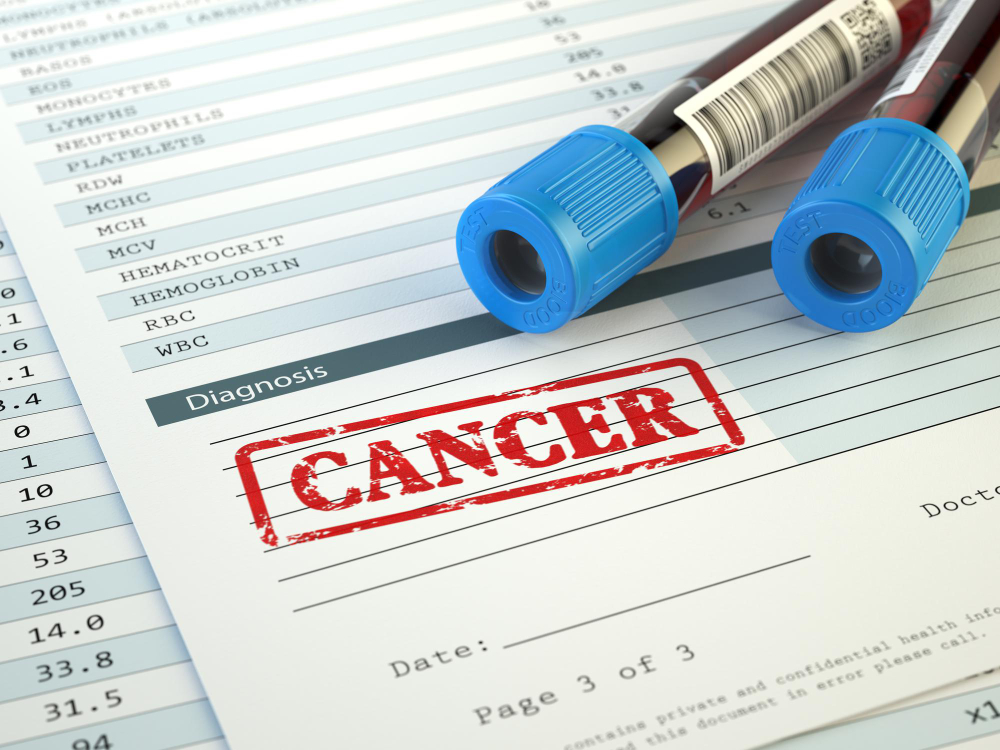
A cancer marker test is a type of pathology test that looks for certain substances in your blood, urine, or tissues. These substances, called tumor markers, can be made by cancer cells or by your body in response to cancer. Often, doctors use cancer marker tests to help with cancer diagnosis, cancer screening, and cancer monitoring.
Why Are Cancer Marker Tests Important?
First, cancer marker tests can help find cancer early. Early detection often leads to better treatment results. In addition, these tests can help doctors:
Because of these uses, cancer marker tests are an important part of cancer care.
How Do Cancer Marker Tests Work?
Usually, a cancer marker test is a simple blood test. Sometimes, doctors may use urine or tissue samples. The test measures the amount of a specific marker in your sample. If the marker level is higher than normal, it may suggest cancer. However, high levels do not always mean you have cancer. Other health problems can also raise marker levels.
Common Types of Cancer Marker Tests
There are many types of tumor markers. Each one is linked to certain cancers. For example:
Doctors choose the right test based on your symptoms and medical history.
What to Expect During the Test
Most cancer marker tests are quick and simple. Usually, a nurse will draw a small amount of blood from your arm. Sometimes, you may need to give a urine or tissue sample. The process is safe and takes only a few minutes. After the test, you can return to your normal activities right away.
Understanding Your Results
After the test, your doctor will explain the results. If your marker levels are high, it does not always mean you have cancer. Sometimes, infections or other health problems can cause high levels. On the other hand, normal levels do not always rule out cancer. Therefore, doctors use these tests along with other exams and scans.
Limitations and Considerations
It is important to know that cancer marker tests are not perfect. For example:
Because of these limits, doctors never rely on cancer marker tests alone. They use them as part of a bigger picture.
Frequently Asked Questions
Prevention and Next Steps
While cancer marker tests help with early detection and monitoring, they are just one tool. Eating healthy, staying active, and avoiding tobacco can lower your cancer risk. If you have questions about cancer blood tests or tumor markers, talk to your doctor. They can guide you on the best steps for your health.
For personalized advice about cancer marker tests, consult a healthcare specialist at Orbit Diagnostic Centre.