Introduction
A chest CT scan is a special X-ray test. It takes detailed pictures of your chest, including your lungs, heart, and blood vessels. Doctors use this scan to find problems that regular X-rays might miss. Because it gives clear images, a chest CT scan helps doctors make better decisions about your health.
When Is a Chest CT Scan Needed?
Doctors may suggest a chest CT scan for several reasons. Sometimes, you may have symptoms that need a closer look. For example, if you have a cough that will not go away, a scan can help. Other times, the scan checks for certain diseases or injuries.
In some cases, your doctor may use a chest CT scan to check how well treatment is working.
How Is a Chest CT Scan Performed?
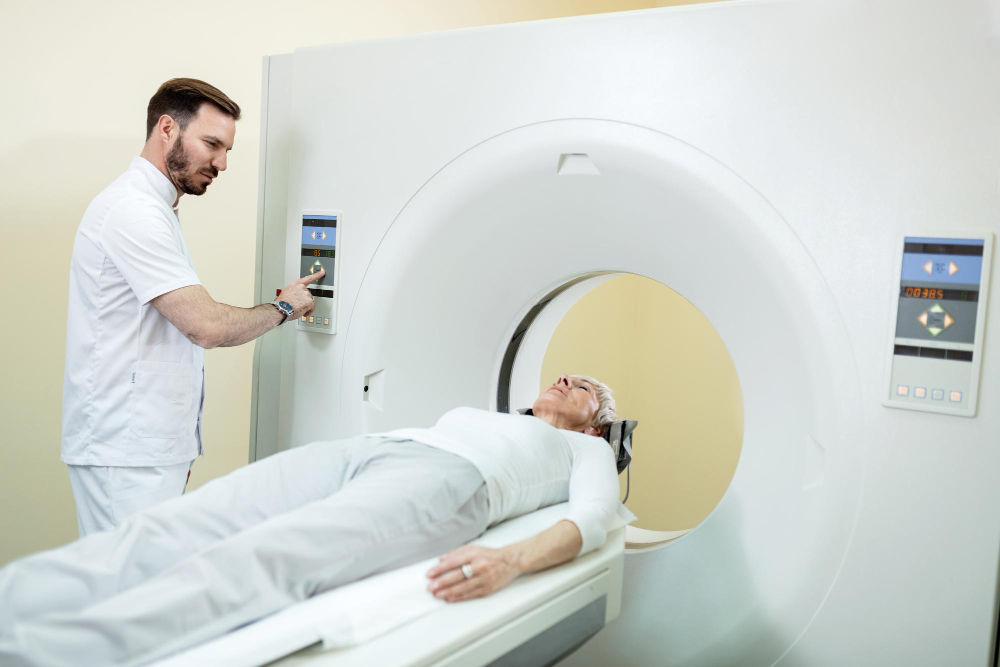
Knowing what to expect from a chest CT scan can ease your mind. The process is simple and usually takes less than 30 minutes. Here is what happens step by step:
Most people find the scan painless and quick. However, if you feel nervous, let the staff know. They can help you feel more comfortable.
Benefits of a Chest CT Scan
Chest CT scans offer many advantages. First, they provide clear and detailed images. Because of this, doctors can spot problems early. Early detection often leads to better treatment results. In addition, chest CT scans can:
According to the CDC, CT scans are valuable tools for diagnosing many chest conditions.
Risks and Safety Considerations
While chest CT scans are safe for most people, there are some risks. The scan uses a small amount of radiation. However, the benefits often outweigh the risks. Doctors only order scans when needed. For most adults, the radiation from a single scan is low.
Some people may react to the contrast dye. This is rare, but it can cause mild itching or a rash. Serious reactions are very uncommon. If you have allergies or kidney problems, tell your doctor before the scan.
Pregnant women should avoid CT scans unless absolutely necessary. Always discuss your concerns with your healthcare provider.
How to Prepare for a Chest CT Scan
Proper chest CT scan preparation helps the test go smoothly. Here are some tips:
Most people do not need to fast, but your doctor will let you know if you should.
What to Expect After the Scan
After your chest CT scan, you can usually return to normal activities. If you received contrast dye, drink plenty of water to help flush it out. Some people may feel a bit tired, but this is rare. Your doctor will review the images and discuss the results with you. In most cases, you will get your results within a few days.
Frequently Asked Questions (FAQ)
Conclusion
A chest CT scan is a safe and helpful test for many chest problems. It gives doctors clear images to guide your care. If you have questions or concerns, consult a radiologist or your healthcare provider at Orbit Diagnostic Centre for personalized advice.