What is Dengue?
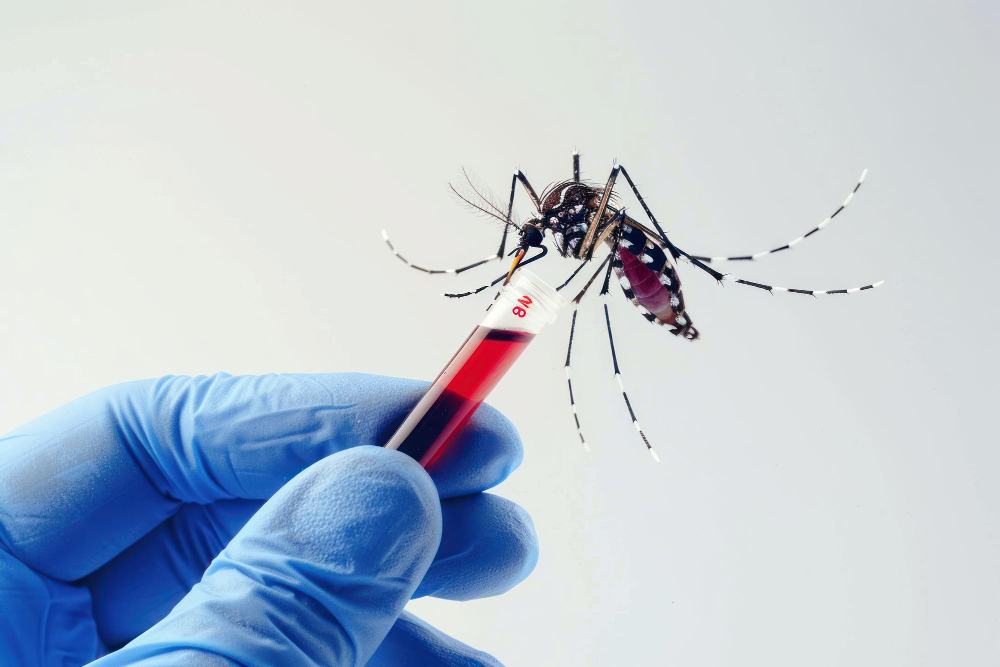
Dengue is a viral infection spread by mosquitoes. It is common in many tropical and subtropical areas. The virus causes fever, pain, and sometimes a rash. Although most cases are mild, some can become severe. Because of this, early dengue testing is very important. Testing helps find the infection quickly, so treatment can start right away.
Why Early Detection Matters
Early detection of dengue can save lives. When you know you have dengue early, you can avoid serious problems. For example, some people develop severe dengue, which can cause bleeding or organ damage. However, with early dengue testing, doctors can watch for warning signs. As a result, you get the right care before things get worse.
Common Symptoms Prompting Dengue Testing
If you notice certain symptoms, you should consider dengue testing. Early signs often look like the flu. But, some symptoms are more common with dengue. Watch for these:
Because these symptoms can be like other illnesses, testing is the best way to know for sure.
Types of Dengue Tests Available
Doctors use several tests to check for dengue. Each test looks for signs of the virus in your body. Here are the main types:
Because each test works best at different times, your doctor may choose one or more based on your symptoms.
How Dengue is Diagnosed
First, your doctor will ask about your symptoms and travel history. Next, they may order a blood test for dengue. Sometimes, more than one test is needed to confirm the diagnosis. If you have dengue, your doctor will watch for warning signs of severe illness. This helps prevent complications and guides treatment.
What to Do After a Positive Test
If your dengue test is positive, do not panic. Most people recover with rest and care at home. However, you should:
If you notice any warning signs, seek medical help right away. Early action can prevent serious problems.
Prevention Tips and When to Seek Medical Help
Because there is no specific cure for dengue, prevention is key. You can lower your risk by:
However, if you have a high fever and live in or have visited a dengue-prone area, get tested quickly. Also, seek medical help if you notice severe symptoms, such as:
Consult a healthcare specialist at Orbit Diagnostic Centre for personalized advice on dengue testing and prevention.