
Introduction
An MRI Pelvis is a safe and painless test. It uses strong magnets and radio waves to create clear images of the pelvic area. Doctors often use this scan to check for problems in organs, bones, or tissues in the pelvis. Because it does not use radiation, it is safer than some other scans. If your doctor suggests an MRI pelvis scan, you may wonder what to expect. This guide will help you understand the process, preparation, and results.
What is an MRI Pelvis?
An MRI pelvis is a type of imaging test. It stands for Magnetic Resonance Imaging of the pelvis. The scan creates detailed pictures of the lower abdomen, hips, and pelvic organs. For example, it can show the bladder, uterus, prostate, rectum, and nearby tissues. Unlike X-rays, MRI does not use harmful radiation. Instead, it uses magnetic fields and radio waves. This makes it a safe choice for many people.
Why is an MRI Pelvis Performed?
Doctors order an MRI pelvis for many reasons. Sometimes, it helps find the cause of pain or swelling. Other times, it checks for tumors, infections, or injuries. In addition, it can help plan surgeries or track treatment progress. Common reasons for a pelvic MRI include:
Because MRI gives clear images, it helps doctors make better decisions about your care.
How to Prepare for an MRI Pelvis
Preparation for an MRI pelvis is simple. However, you should follow your doctor’s instructions. Here are some common steps to get ready:
Because MRI uses magnets, metal objects can affect the images or cause harm. Always share your full medical history with your healthcare team.
What Happens During the MRI Pelvis Procedure?
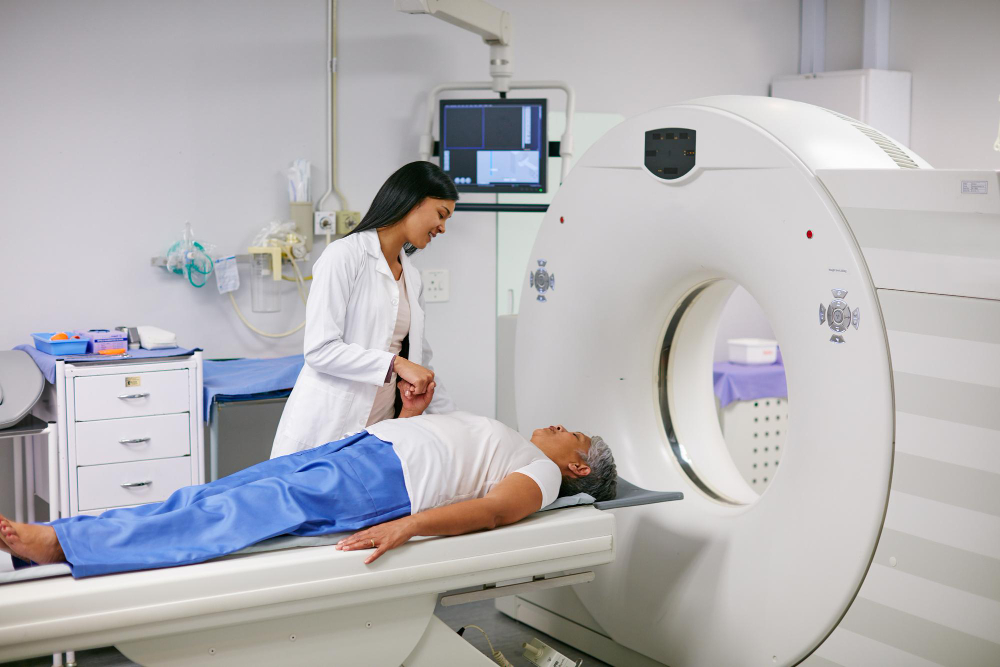
During the MRI pelvis procedure, you will lie on a flat table. The table slides into a large, tube-shaped machine. The scan is painless, but you must stay still. This helps get clear pictures. The test usually takes 30 to 60 minutes. Sometimes, a contrast dye is used to make images clearer. If so, the dye is given through a small needle in your arm. You may hear loud tapping or thumping sounds. For comfort, you may get earplugs or headphones. Although the machine is noisy, the staff can talk to you through a speaker. If you feel uncomfortable, you can let them know right away.
Understanding MRI Pelvis Results
After the scan, a radiologist reviews your MRI pelvis images. They look for any signs of disease, injury, or abnormal growths. The results are sent to your doctor, who will explain them to you. Sometimes, you may need more tests for a clear diagnosis. However, many people get answers from the MRI alone. Your doctor will discuss the next steps based on your results.
Safety, Risks, and Contraindications
For most people, an MRI pelvis is very safe. It does not use radiation, so there is no risk of exposure. However, there are some things to consider:
Because safety is important, always share your full medical history with your healthcare provider. The World Health Organization and other health agencies agree that MRI is safe for most people (WHO, CDC).
Frequently Asked Questions about MRI Pelvis
Conclusion
An MRI pelvis is a safe and helpful test for many pelvic health concerns. It gives clear images without using radiation. If your doctor recommends this scan, you now know what to expect. Consult a healthcare specialist at Orbit Diagnostic Centre to understand if an MRI Pelvis is right for you.