What is a Vitamin Profile?
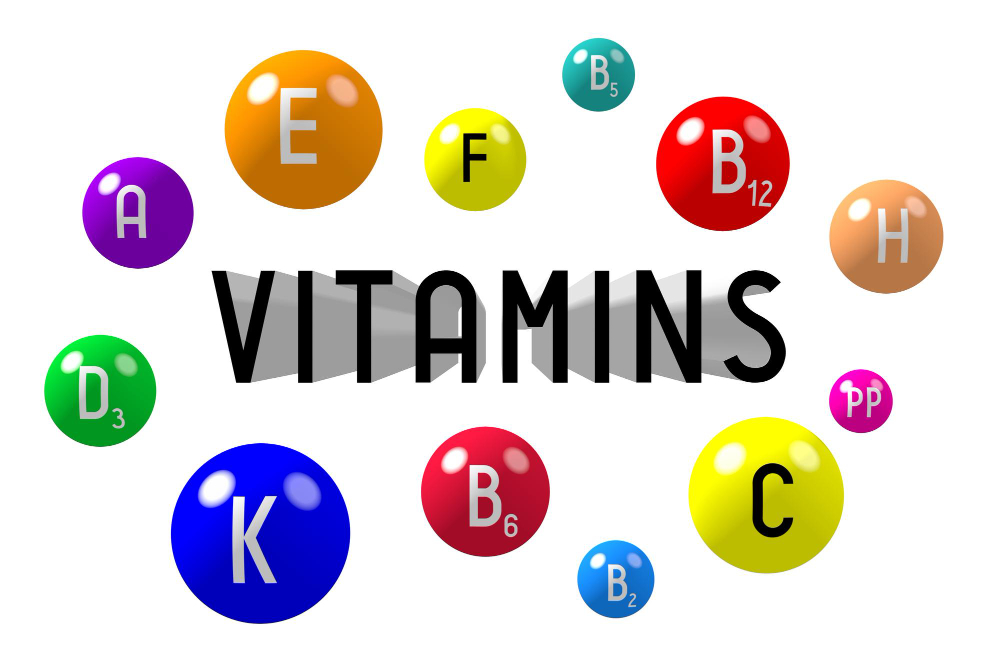
A vitamin profile is a blood test that checks the levels of different vitamins in your body. This test helps doctors see if you have enough vitamins or if you are missing any. For example, it can measure vitamins like A, B12, D, and E. Many people choose a vitamin profile test to learn more about their health. Often, this test is part of a routine health checkup.
Why is a Vitamin Profile Important?
Vitamins are vital for your body to work well. Without enough vitamins, you may feel tired or weak. In some cases, vitamin shortages can lead to serious health problems. Therefore, a vitamin profile helps spot these issues early. Early detection means you can fix problems before they get worse. According to the World Health Organization (WHO), keeping vitamin levels balanced supports your immune system and overall health.
Common Symptoms of Vitamin Deficiencies
Sometimes, your body shows signs when you lack certain vitamins. However, these symptoms can be mild or easy to miss. Watch for these common signs:
If you notice these vitamin deficiency symptoms, a vitamin profile test can help find the cause.
How is a Vitamin Profile Test Done?
Getting a vitamin profile test is simple. First, a healthcare worker draws a small amount of blood from your arm. Next, the blood sample goes to a lab for testing. Usually, you do not need to fast before this test, but your doctor will tell you if you should. The process takes only a few minutes. Afterward, you can return to your normal activities. Many clinics and hospitals offer vitamin blood tests, so it is easy to find a testing center near you.
Interpreting Vitamin Profile Results
Once your results are ready, your doctor will review them with you. Each vitamin has a normal range. If your levels are too low or too high, your doctor will explain what that means. For example, low vitamin D may cause bone pain, while too much vitamin A can harm your liver. Because each person is different, your doctor will help you understand your results and what steps to take next.
Treatment and Lifestyle Guidance for Vitamin Imbalances
If your vitamin profile shows an imbalance, do not worry. Often, simple changes can help. Your doctor may suggest:
However, always follow your doctor’s advice before starting any supplements. The Centers for Disease Control and Prevention (CDC) recommends getting most vitamins from a balanced diet.
Prevention Tips for Maintaining Healthy Vitamin Levels
Staying healthy is easier when you take small steps every day. Here are some tips to help you maintain healthy vitamin levels:
By following these steps, you can lower your risk of vitamin deficiencies and enjoy better health.
Conclusion
In summary, a vitamin profile is a helpful tool for checking your vitamin levels. It can spot problems early and guide you toward better health. If you have symptoms or want to know more, consult a healthcare professional at ORBIT DIAGNOSTIC CENTRE for personalized advice on vitamin testing and supplementation.