
Introduction to IgM and IgG
Many people hear about the IgM IgG blood test during illness or checkups. But what are IgM and IgG? Both are types of antibodies. Antibodies are proteins made by your immune system. They help your body fight germs like viruses and bacteria. IgM and IgG each play a special role in protecting you.
For example, IgM is usually the first antibody your body makes when you get sick. On the other hand, IgG appears later and helps protect you in the long term. Because of these roles, doctors often check both IgM and IgG to understand your health better.
What Is an IgM IgG Blood Test?
An IgM IgG blood test checks for these two antibodies in your blood. This test helps doctors see if you have a current or past infection. Sometimes, it can also show if you have immunity after an illness or vaccine. In the United States, this test is common for many infections, such as COVID-19, hepatitis, or measles.
Why Doctors Order IgM IgG Blood Tests
Doctors use the IgM IgG blood test for several reasons. Some of the most common include:
Because IgM and IgG appear at different times, this test gives a clear picture of your infection status.
How the Test Is Performed
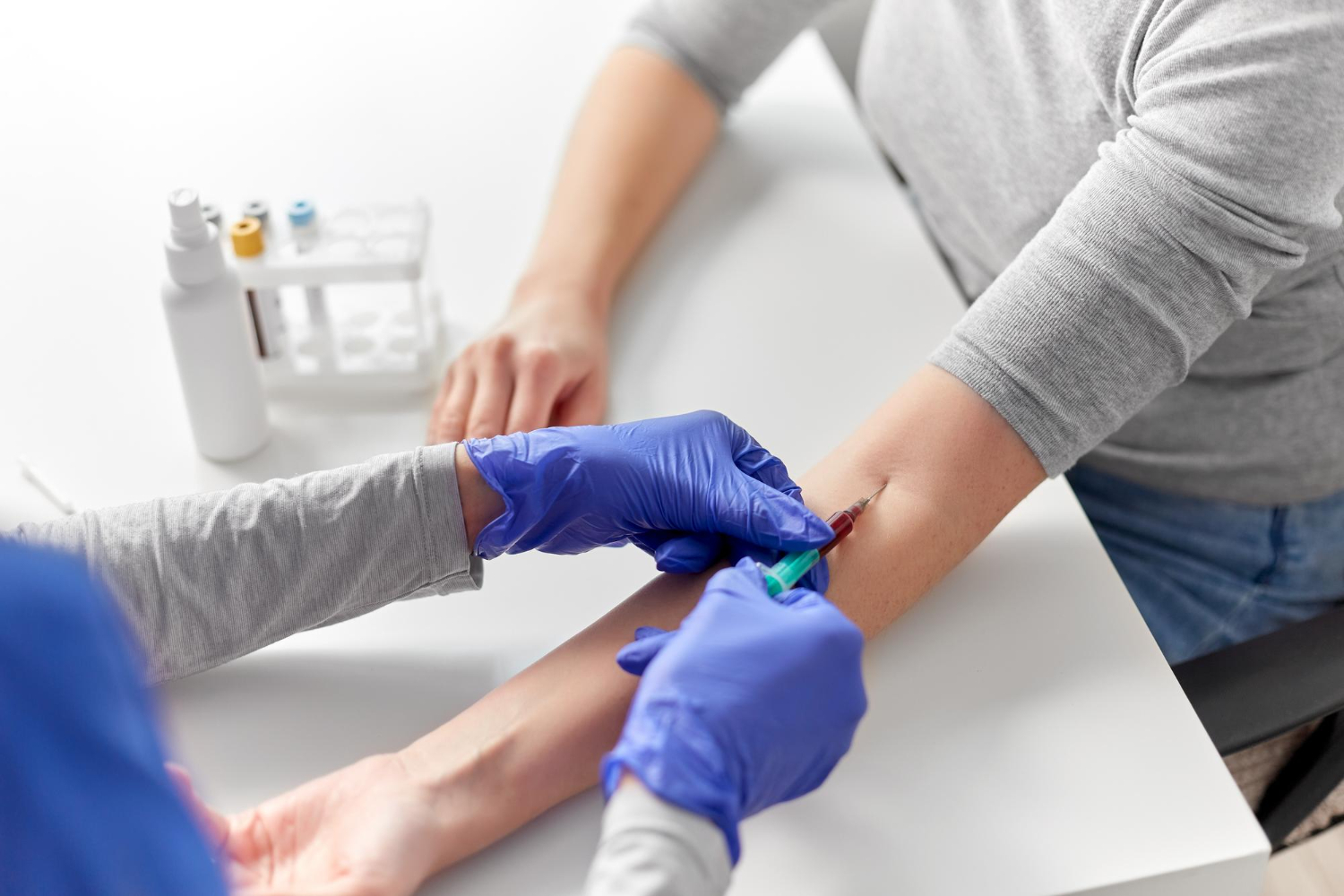
Getting an IgM IgG blood test is simple. First, a healthcare worker cleans your arm. Then, they use a small needle to take a blood sample. After that, your blood goes to a lab for testing. The whole process usually takes only a few minutes. Most people feel only a quick pinch during the test. Afterward, you can return to your normal activities.
What the Results Mean
Understanding your IgM IgG blood test results is important. Here is what the results can mean:
However, always talk to your doctor for a full explanation. Sometimes, other factors can affect your results.
Common Conditions Diagnosed with IgM IgG Tests
Doctors use IgM IgG blood tests for many diseases. Some common examples include:
Because these tests are so useful, they help doctors make the right diagnosis quickly.
Preparation and Aftercare for the Test
Usually, you do not need special preparation for an IgM IgG blood test. However, it is a good idea to tell your doctor about any medicines you take. After the test, you may have a small bruise or soreness. But this goes away quickly. If you feel dizzy or have bleeding, let your healthcare provider know right away.
Limitations and Considerations
While IgM IgG blood tests are helpful, they are not perfect. Sometimes, the test may not detect antibodies if it is too early after infection. Also, some people may have false positives or negatives. For this reason, doctors often use other tests or repeat the test if needed. Always discuss your results with your doctor for the best advice.
Prevention and Lifestyle Guidance
Although the IgM IgG blood test helps find infections, prevention is still key. You can lower your risk by:
Because a strong immune system helps, regular exercise and enough sleep are also important.
Frequently Asked Questions
Conclusion
In summary, the IgM IgG blood test is a useful tool for finding and understanding infections. It helps doctors know if you have a new, past, or ongoing infection. However, always talk to your healthcare provider for advice about your results. If you have questions or concerns, consult a healthcare professional at Orbit Diagnostic Centre for personalized advice about IgM IgG blood tests.